
From Concept to Screen: Understanding the Video Production Process
Introduction to Video Production
Video production is a dynamic and intricate process that transforms creative concepts into engaging visual stories. Whether it's a short film, a commercial, or a corporate video, understanding the journey from concept to screen is essential for success. This comprehensive guide will walk you through each phase of the video production process, highlighting key steps and elements.

Pre-Production: Laying the Groundwork
Concept Development
The first step in video production is developing a strong concept. This involves brainstorming ideas, defining the message, and identifying the target audience. A clear and compelling concept sets the foundation for the entire project.
Scripting and Storyboarding
Once the concept is established, the next phase involves scripting and storyboarding. The script provides the narrative structure, while the storyboard visualizes each scene. This stage is crucial for planning the visual and auditory elements of the video.
Planning and Logistics
Pre-production also involves planning logistics such as location scouting, casting, and scheduling. Attention to detail in this phase ensures a smooth production process. Budgets are finalized, and equipment needs are assessed.
Production: Bringing Ideas to Life
Shooting the Video
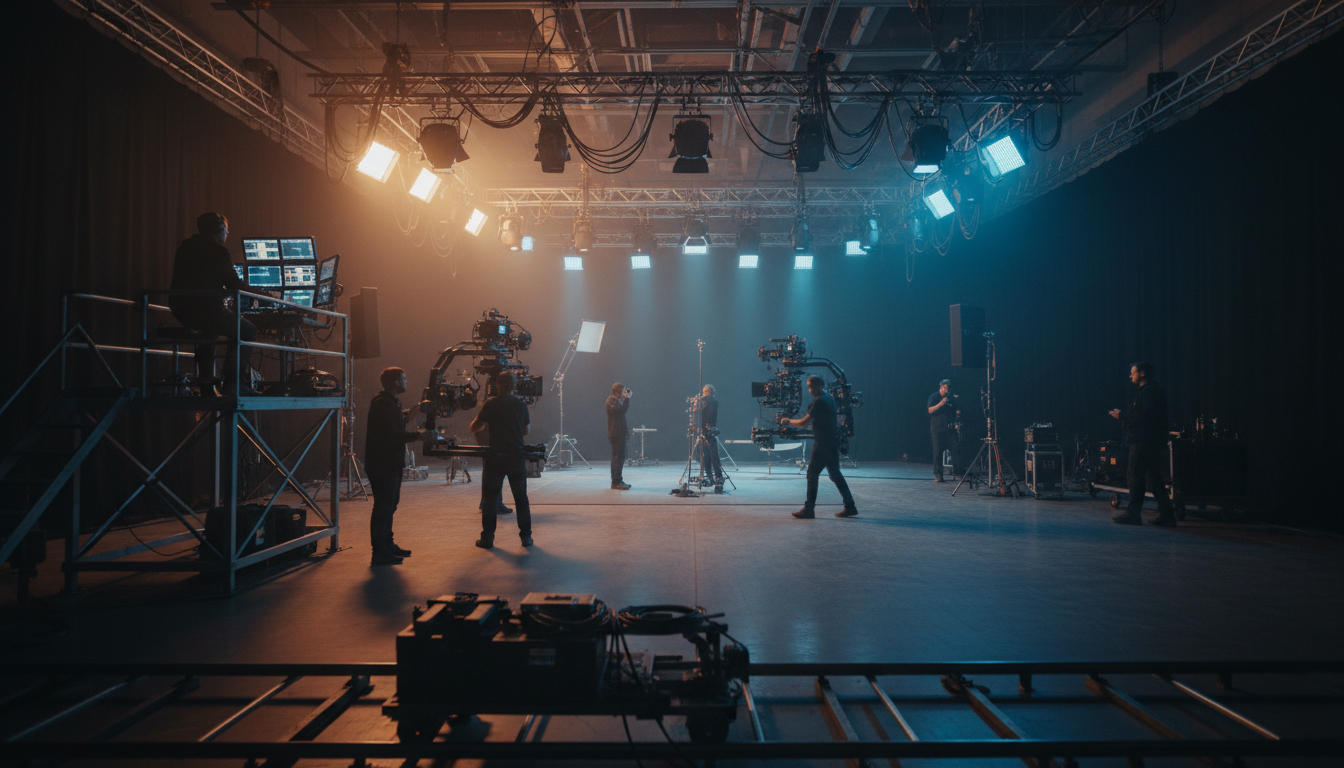
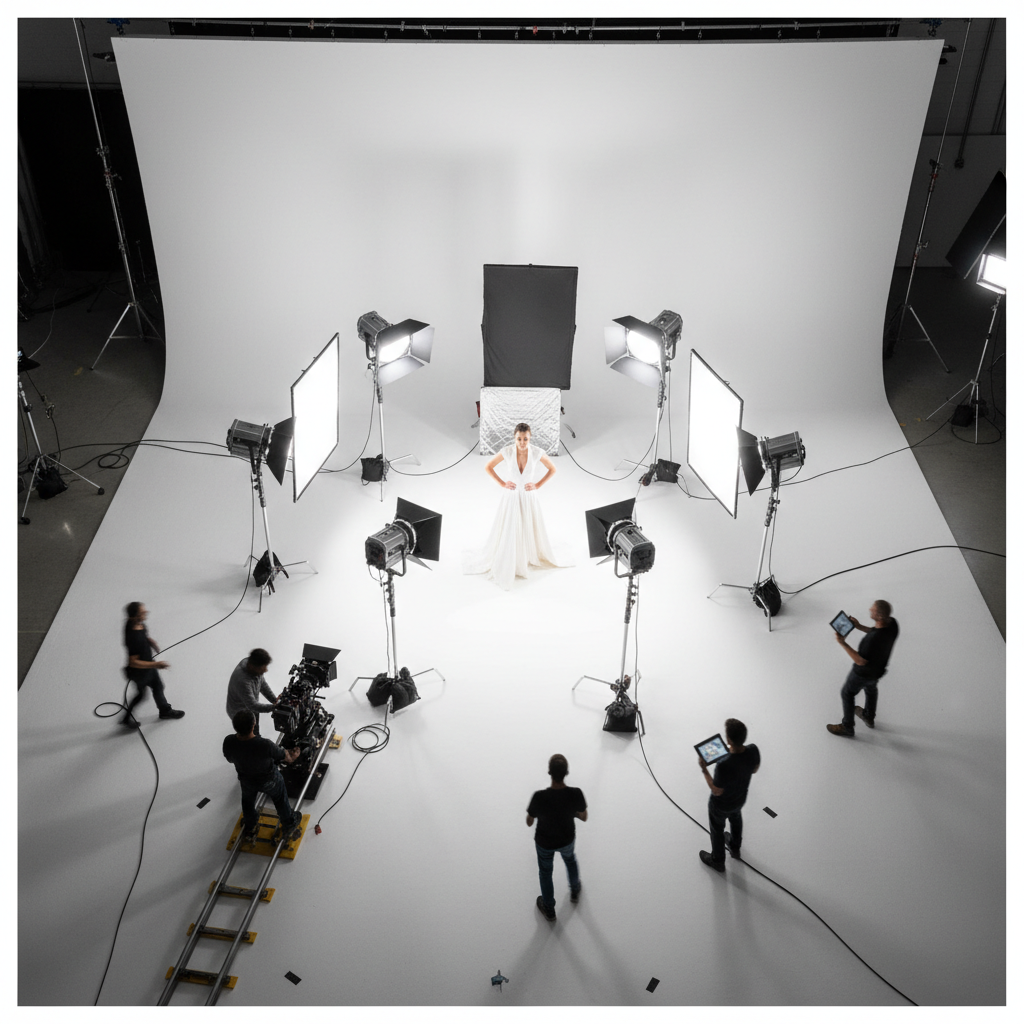
The production phase is where the action happens. With the crew, cast, and equipment ready, the shooting begins. Directors and cinematographers work closely to capture each scene, ensuring the vision is realized. Lighting, sound, and camera work are meticulously managed.
Managing Challenges
During production, unexpected challenges may arise, such as weather changes or technical issues. Flexibility and problem-solving skills are vital to keep the project on track. Effective communication among team members helps navigate these hurdles.
Post-Production: Crafting the Final Product
Editing and Effects
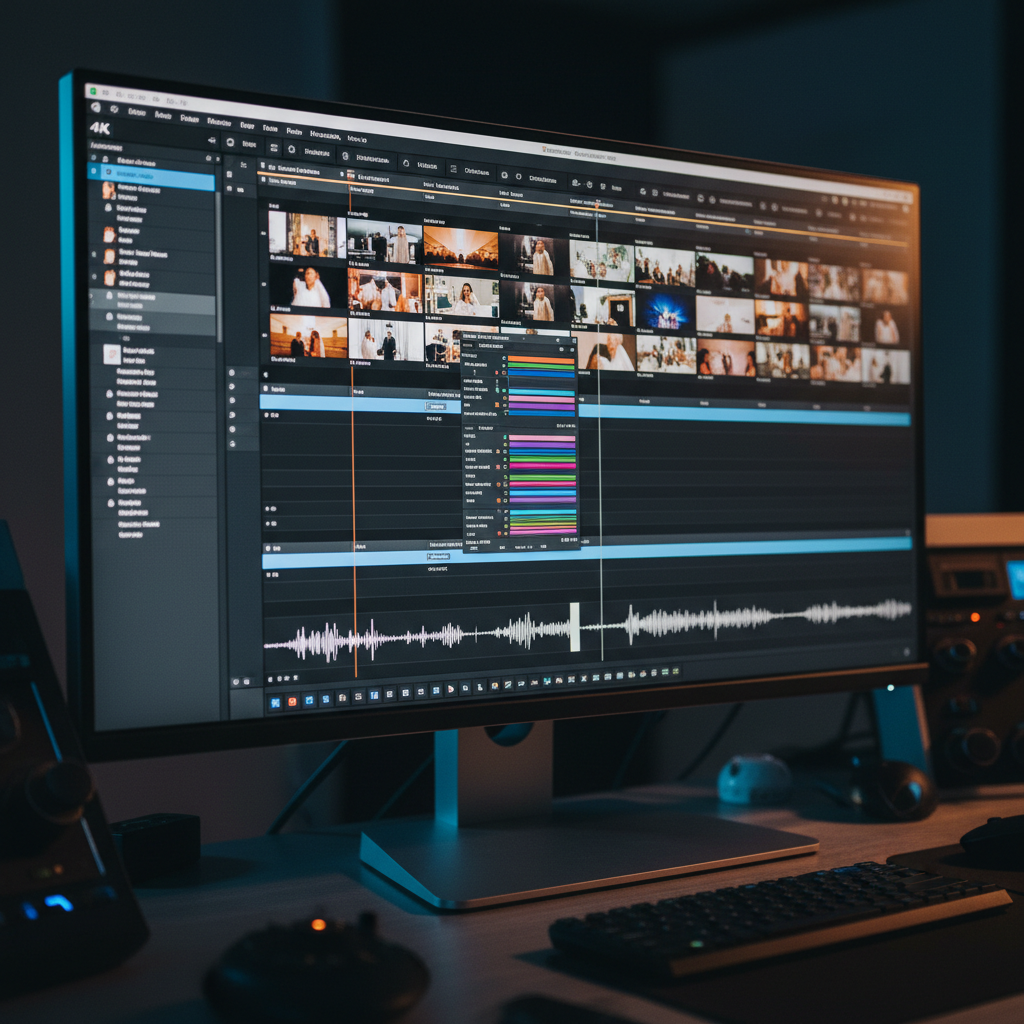
In post-production, the raw footage is transformed into a polished video. Editors cut and arrange the scenes, add special effects, and enhance audio quality. This stage is where the story truly comes together.
Sound Design and Music
Sound design and music play a critical role in setting the tone of the video. Whether it's background music or sound effects, these elements enhance the viewer's emotional experience and elevate the production quality.
Final Review and Distribution
Once editing is complete, the video undergoes a final review. Feedback is gathered, and any necessary revisions are made. The finished product is then prepared for distribution across various platforms, ensuring it reaches the intended audience effectively.
Conclusion: The Art of Video Production
From concept to screen, video production is an art that requires creativity, planning, and collaboration. By understanding each step of the process, creators can produce compelling and impactful videos that resonate with audiences. As technology evolves, so too does the potential for innovative storytelling in the world of video production.