
From Concept to Screen: The Video Production Process Explained
Introduction to Video Production
In today's digital age, video production is a powerful tool for storytelling and brand communication. Understanding the process from concept to screen can help you create impactful videos that resonate with your audience.
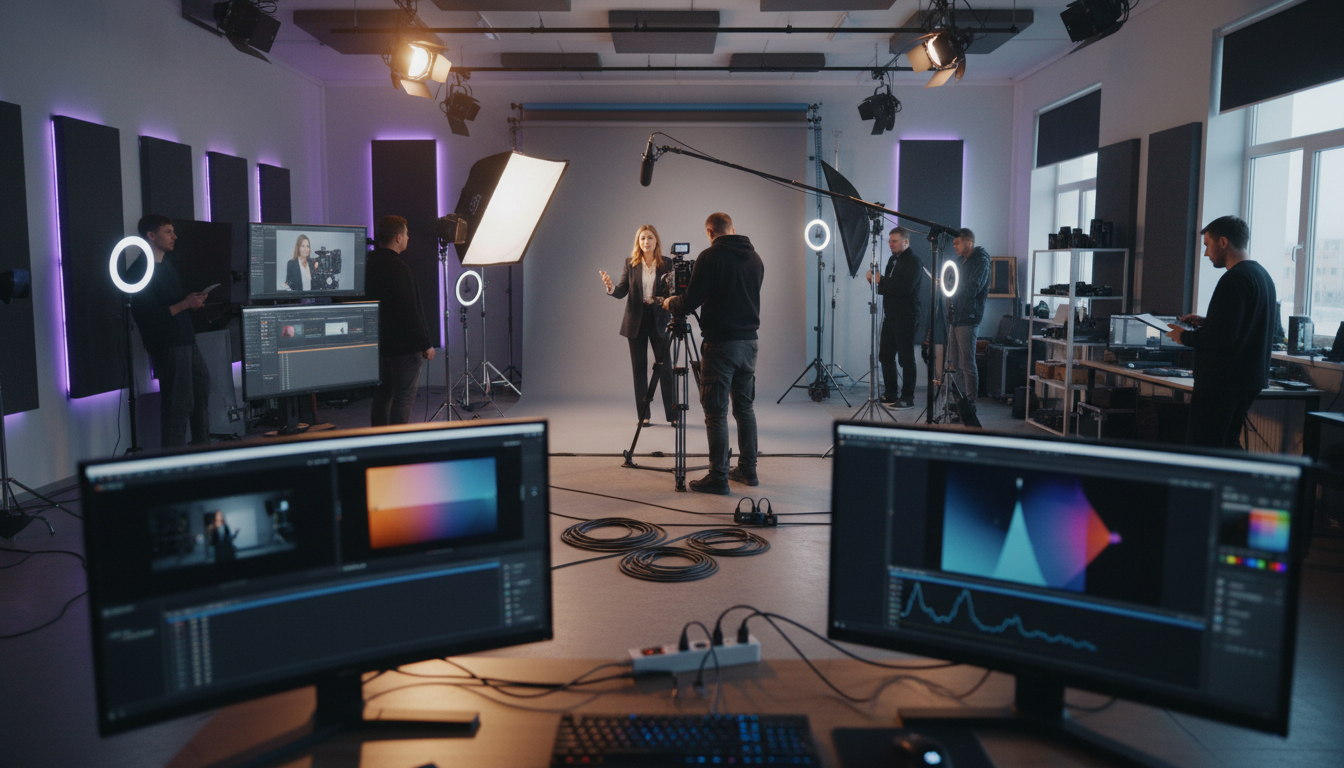
Concept Development
Every great video starts with a compelling idea. During the concept development phase, it's essential to define the purpose, target audience, and key message. This step lays the foundation for the entire production process.
Brainstorming sessions and creative meetings are invaluable during this stage. They help refine ideas and ensure alignment with brand goals.
Scripting and Storyboarding
Once the concept is solidified, the next step is scripting. A well-crafted script outlines the narrative, dialogue, and essential details. It's the blueprint for your video.
Storyboarding follows, providing a visual representation of each scene. This helps in planning camera angles, transitions, and overall flow.
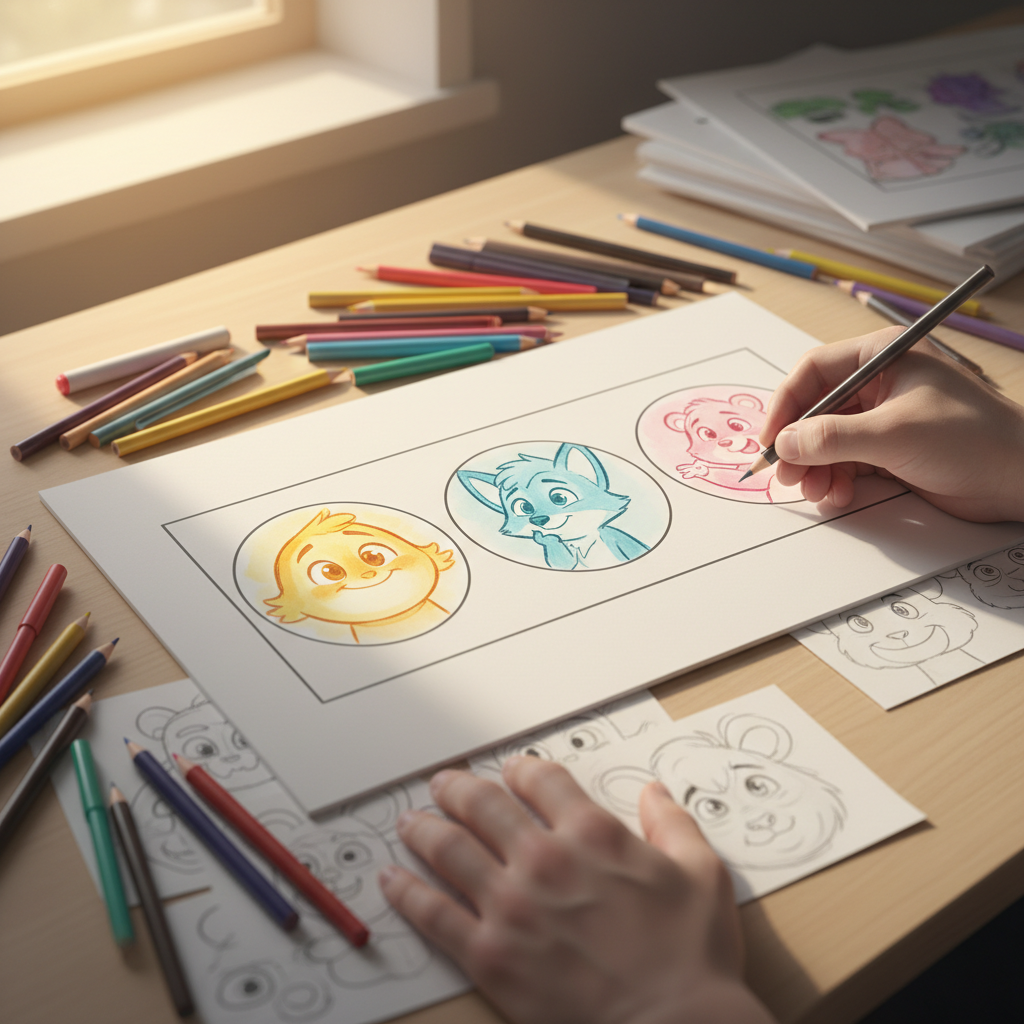
Pre-Production Planning
Pre-production involves organizing all the logistics. This includes securing locations, casting actors, and arranging equipment. A detailed plan ensures a smooth production phase.
Budgeting is also crucial. Allocating resources wisely can make a significant difference in production quality.
Production
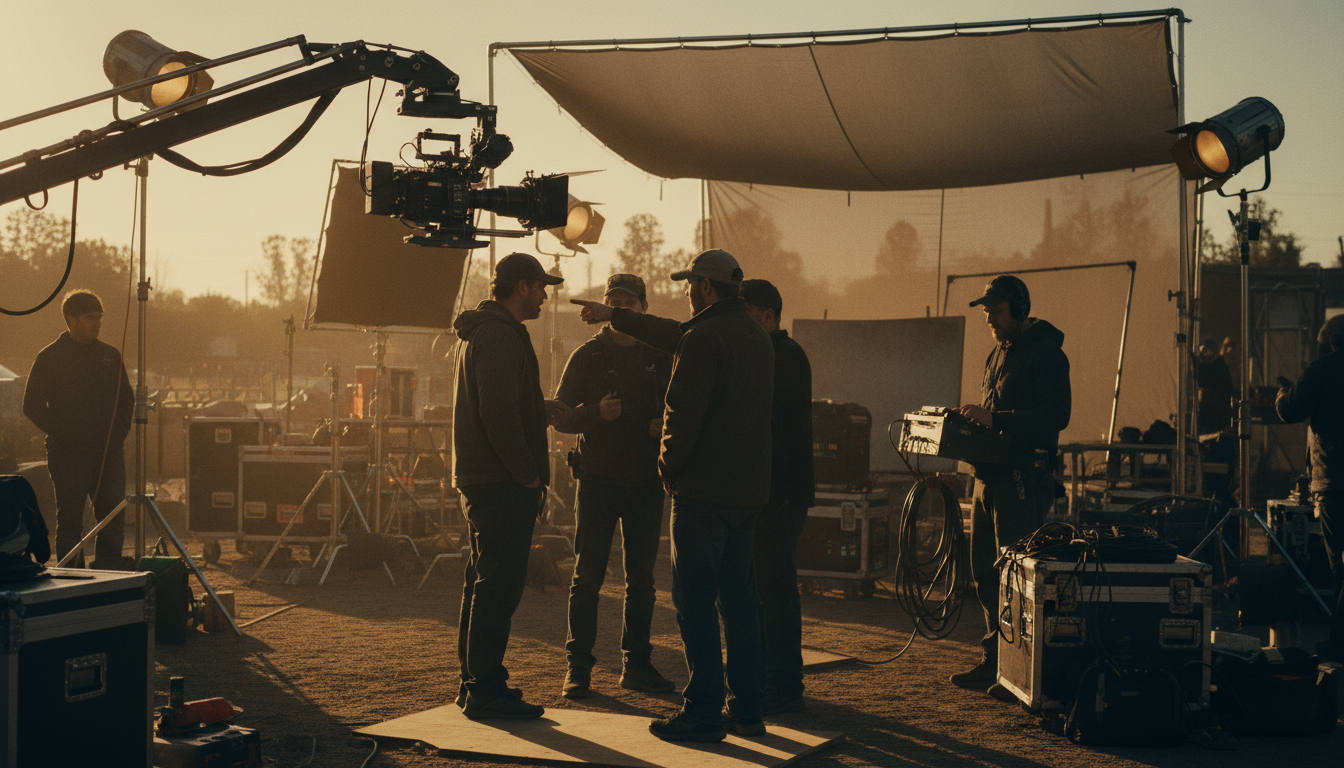
The production phase is where the magic happens. With the script and storyboard as guides, the crew captures the necessary footage. This involves setting up scenes, directing actors, and managing lighting and sound.
Post-Production
After filming, the post-production phase begins. This includes editing the footage, adding special effects, and incorporating music. The goal is to create a cohesive and engaging final product.
Collaboration with editors and sound designers ensures that the video aligns with the initial vision and brand message.
Distribution
Once the video is complete, it's time to share it with the world. Choosing the right platforms is crucial for reaching your target audience. Social media, websites, and email marketing are common distribution channels.
Analyzing viewer engagement and feedback helps in refining future video strategies.

Conclusion
Understanding the video production process from concept to screen can elevate your content strategy. Each phase is integral to creating a video that captivates and informs your audience.
Embrace the power of visual storytelling and watch your brand narrative come to life on screen.