
Common Misconceptions About Video Editing: Debunked by Experts
Understanding Video Editing: Separating Fact from Fiction
Video editing is a fascinating art, yet it’s often misunderstood. Many people have preconceived notions about what video editing entails, leading to several misconceptions. In this blog post, we’ll debunk some of the most common myths about video editing, guided by insights from industry experts.

Myth 1: Video Editing is Just Cutting and Splicing
One widespread misconception is that video editing is merely about cutting and splicing footage. While these are fundamental tasks, video editing is much more complex. It involves color correction, audio enhancement, visual effects, and storytelling techniques to create a cohesive narrative. Experts emphasize that editing is a creative process that requires both technical skills and artistic vision.
Moreover, editors use a variety of software tools to bring videos to life. These programs offer a wide range of features that go beyond basic cuts, allowing editors to create engaging and polished content.
Myth 2: Anyone Can Edit Videos with the Right Software
Another common belief is that with the right software, anyone can become a professional video editor. While modern editing software is more accessible than ever, true expertise requires years of practice. According to professionals, understanding the nuances of editing, such as pacing and rhythm, is crucial to mastering the craft.
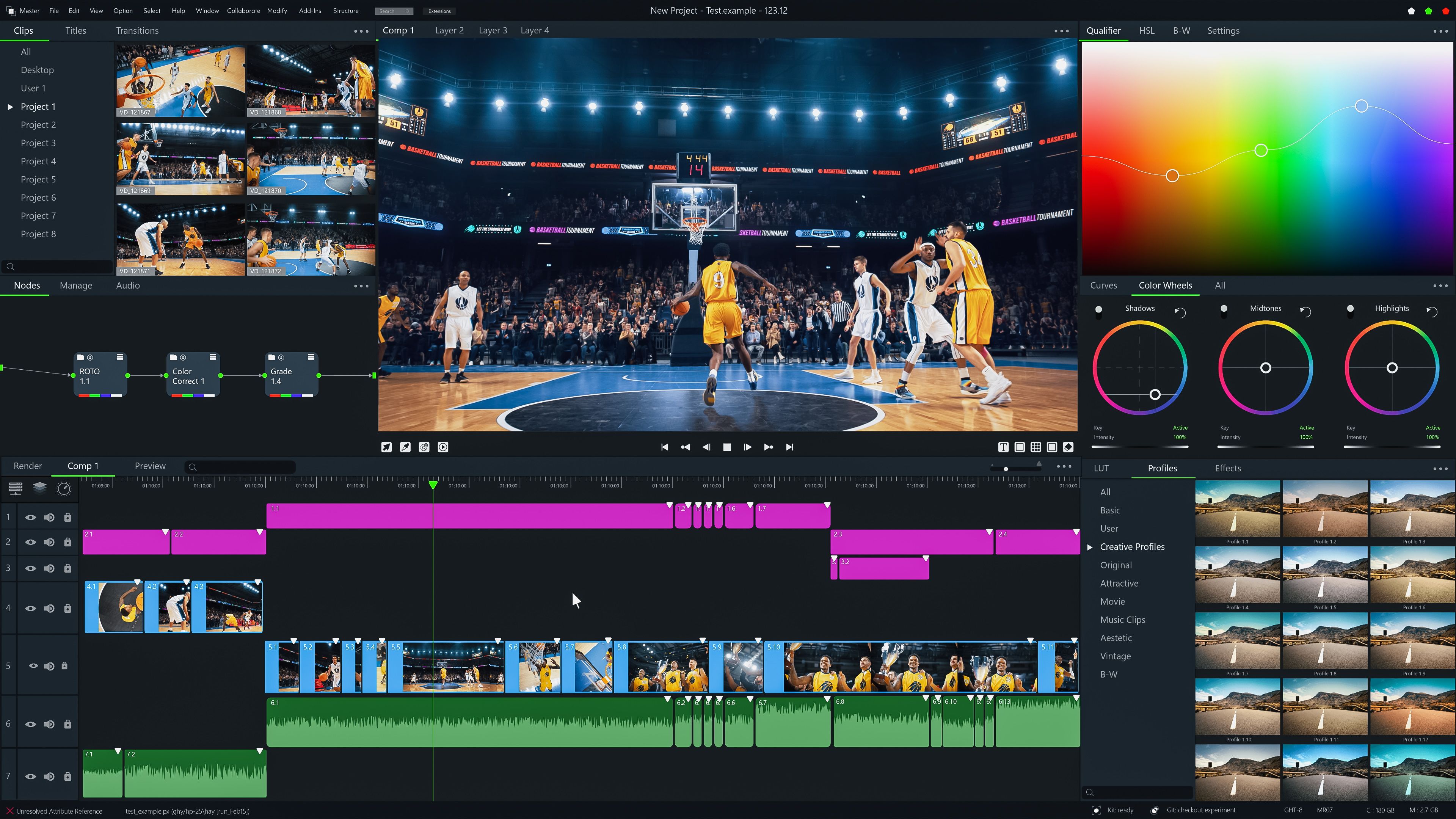
Additionally, video editing involves a deep understanding of storytelling principles and how to evoke emotions through visual and auditory elements. These skills cannot be acquired overnight and require dedication and experience.
Myth 3: Video Editing is a Solitary Process
Many people assume that video editing is a solitary task, where the editor works alone in a dark room. However, collaboration is often a key component of the editing process. Editors frequently work with directors, producers, and other creative professionals to ensure the final product aligns with the project’s vision.
Effective communication and teamwork are essential, as editors must interpret feedback and incorporate changes efficiently. This collaborative approach enhances the creative process and results in a more refined final product.

Myth 4: Video Editing is Only for Big Budget Productions
Some believe that video editing is reserved for big-budget productions, but this is far from the truth. With the rise of digital content, video editing has become accessible to creators of all levels. From YouTubers to small businesses, anyone can benefit from professional video editing to enhance their content.
The democratization of video editing tools means that even small-scale projects can achieve high-quality results without breaking the bank. This accessibility has expanded the reach of video content, making it a vital tool for communication and marketing.
Conclusion: Embracing the Art of Video Editing
By debunking these myths, we hope to provide a clearer understanding of the video editing process. It’s a complex and collaborative art form that combines technical skill with creativity. Whether you’re a budding editor or simply curious about the craft, recognizing these truths will enrich your appreciation of the work that goes into creating compelling video content.
As the landscape of digital media continues to evolve, video editing remains an invaluable skill that enhances storytelling and connects audiences worldwide.